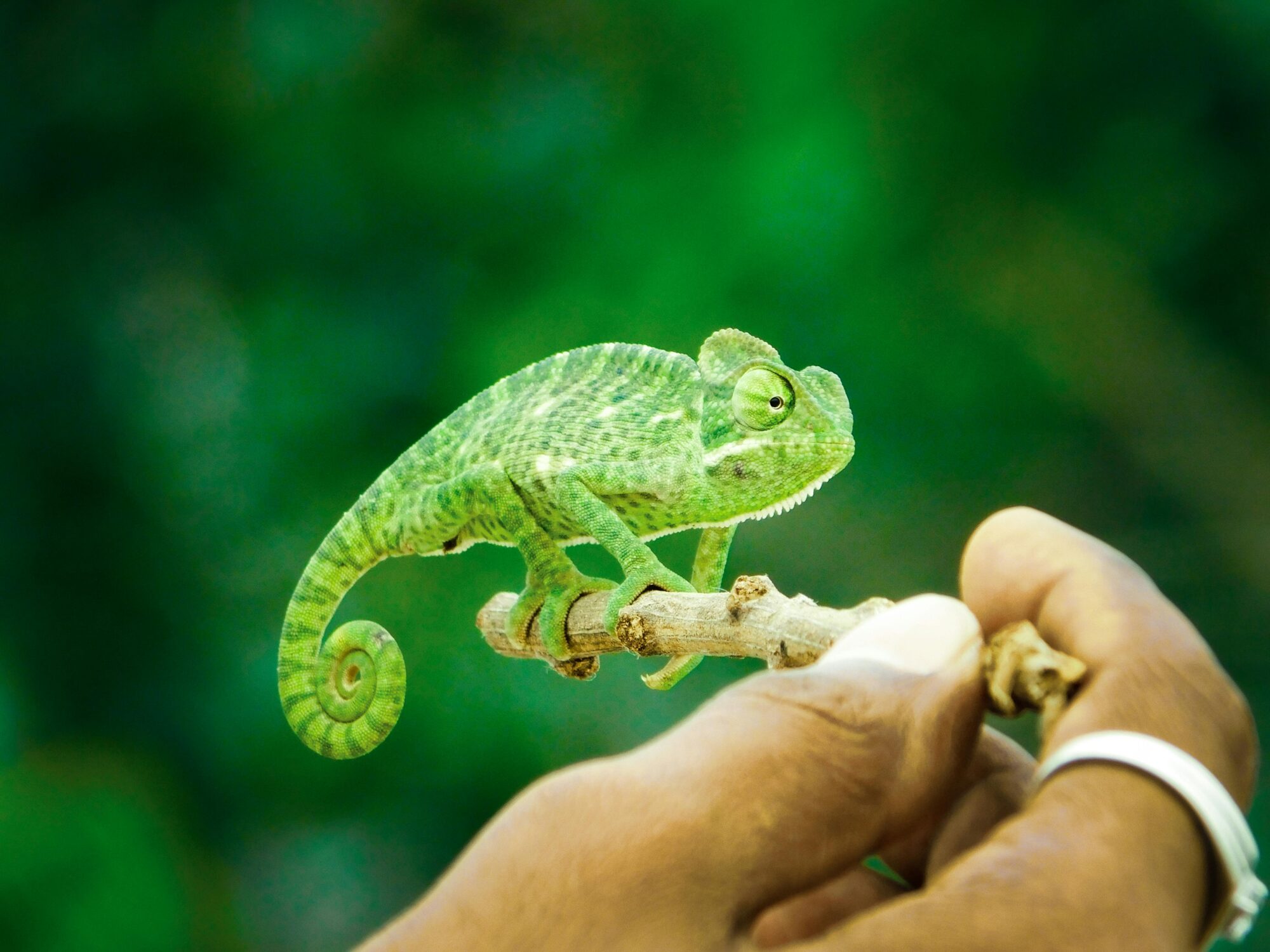
In a world where borders blur and cultures collide, a unique group of individuals emerges, navigating the intricate tapestry of global mobility and cultural diversity. They are Third Culture Kids (TCKs), raised in a kaleidoscope of cultures, languages, and experiences that shape their worldview in profound ways. Yet, despite their rich tapestry of experiences, TCKs may find themselves misunderstood, grappling with misconceptions and stereotypes that fail to capture the complexity of their experience. Let’s delve deeper into the world of TCKs and unveil the truth behind the misconceptions.
Misconception: TCKs Lack a Sense of Identity
One of the most common misconceptions about TCKs is that they lack a sense of identity. While growing up in multiple cultures can leave TCKs feeling rootless and disconnected, the reality is nuanced. Their multicultural upbringing can also foster a rich and multifaceted sense of identity. TCKs often identify with a global community, embracing their diverse experience as a source of strength and resilience.

Misconception: TCKs Are Socially Inept
Another misconception is that TCKs are socially inept, unable to form meaningful connections or establish roots. While it’s true that TCKs may experience frequent transitions and farewells, they are not necessarily socially isolated or lacking in attachment. On the contrary, many TCKs develop strong interpersonal skills, adaptability, and cross-cultural competence through their lives. When they want to, they often can form deep and meaningful relationships rather quickly with people from various walks of life, transcending geographic boundaries and cultural barriers. Sometimes a desire to observe at first, and a reluctance to ‘jump right in’ to an unfamiliar situation may be misinterpreted as social awkwardness.
Misconception : TCKs Are Privileged and Exotic
Some perceive TCKs as privileged jet-setters, living glamorous and exotic lifestyles full of excitement and free from hardship or struggle. While it’s true that TCKs often enjoy unique opportunities for travel and cultural immersion, their experiences can come with significant challenges. Moving frequently, adjusting to new environments, developing new relationships, and grappling with questions of identity can take a toll on TCKs’ emotional well-being.
Misconception: TCKs Are Cultural Chameleons
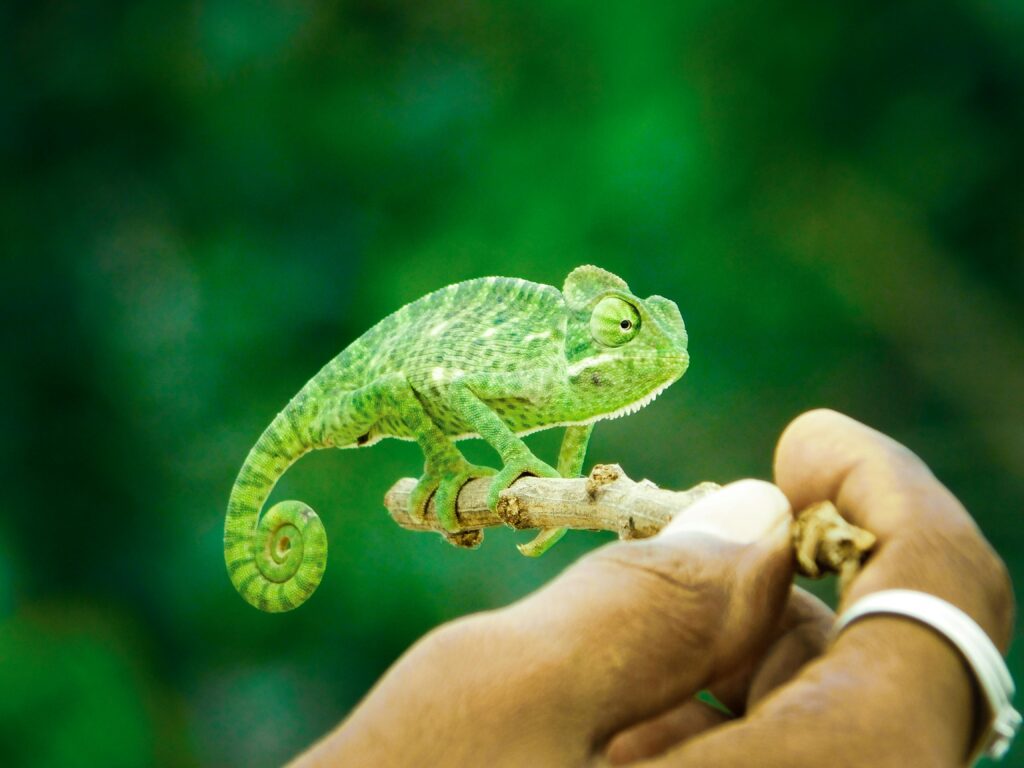
Some assume that TCKs are cultural chameleons, effortlessly blending into any environment and adapting to any culture. While TCKs may possess strong cross-cultural skills and adaptability, they are not immune to cultural adjustment challenges. They will experience cultural dissonance, feeling like outsiders in both their host and home cultures, and in unfamiliar cultures, they may struggle as much as anyone else. Navigating the complexities of crossing cultures requires self-awareness, and effort for everyone, including TCKs.
Misconception: TCKs Are Transient and Unsettled
Finally, there’s a misconception that TCKs are transient and unsettled, lacking a sense of stability or belonging. While TCKs may experience frequent moves and transitions, they are not always defined by their transient lifestyle. Many TCKs create a sense of home wherever they go, cultivating meaningful connections and establishing roots in their communities. Ideally, they draw strength from their diverse experiences and use it to deepen connection wherever they may find themselves.